Running a company or a business?
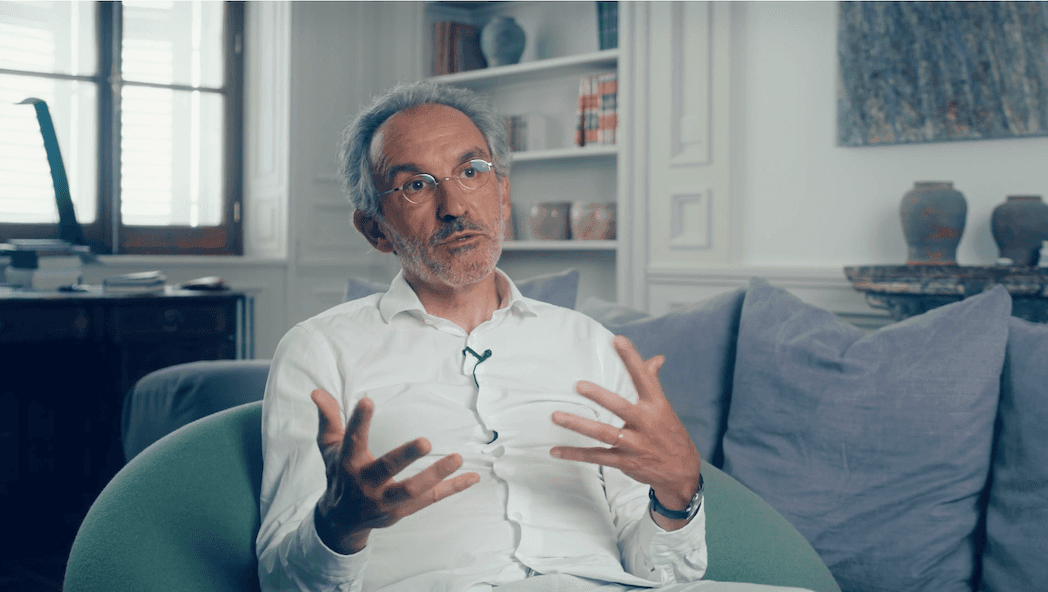
I continue to reflect on the teaching from the program at CAS Integral Economics (University of Fribourg & EoF) I participate in. In one of the online lectures, ”𝘛𝘩𝘦 𝘌𝘵𝘩𝘪𝘤𝘢𝘭 𝘊𝘰𝘮𝘱𝘢𝘯𝘺”, Bruno Roche, former CFO of Mars Inc. reflects on the origins of the words we use. He says that the word 'Company' comes from the Latin 𝘤𝘰𝘮 and 𝘱𝘢𝘯𝘪𝘴 – to share bread. It points to 𝗳𝗲𝗹𝗹𝗼𝘄𝘀𝗵𝗶𝗽, 𝘁𝗼 𝗽𝗲𝗼𝗽𝗹𝗲 𝗰𝗼𝗺𝗶𝗻𝗴 𝘁𝗼𝗴𝗲𝘁𝗵𝗲𝗿 𝗮𝗿𝗼𝘂𝗻𝗱 𝘀𝗼𝗺𝗲𝘁𝗵𝗶𝗻𝗴 𝘁𝗵𝗲𝘆 𝘀𝘂𝘀𝘁𝗮𝗶𝗻 𝗰𝗼𝗹𝗹𝗲𝗰𝘁𝗶𝘃𝗲𝗹𝘆. 'Business', by contrast, comes from the old English 𝘣𝘶𝘴𝘪𝘯𝘦𝘴, meaning anxiety. The difference is huge.
For a long time, leadership thinking was dominated by a clear idea: the purpose of business is to maximize shareholder value. Profit first. Other considerations were secondary, often treated as constraints rather than responsibilities. That way of thinking shaped incentives, structures and everyday decisions.
In recent years, that has been questioned. In 2019, the US Business Roundtable (an association of CEOs of America’s leading companies) adopted a 𝘀𝘁𝗮𝗸𝗲𝗵𝗼𝗹𝗱𝗲𝗿 𝗮𝗽𝗽𝗿𝗼𝗮𝗰𝗵 instead of a shareholder approach. They stated that companies exist to serve all stakeholders – employees, customers, communities and society, as well as shareholders. This is not a rejection of profit, but a broader understanding of what companies are for.
This purpose-driven perspective requires leaders to hold tensions
• between short-term performance and long-term trust,
• between efficiency and care,
• between economic success and contribution to the common good.
This is where ethics show its true face. Values are not revealed in presentations or handbooks, but in situations where there is pressure and no perfect solution. How costs are reduced. How risk is shared. When something must be sacrificed, what is being protected?
Those moments shape the organization far more than any stated ambition.

The Economy of Trust

When the Company Is No Longer at the Center

Impact & Value Creation - When Value Actually Becomes Value

Operation & Finance - Stewardship in Practice
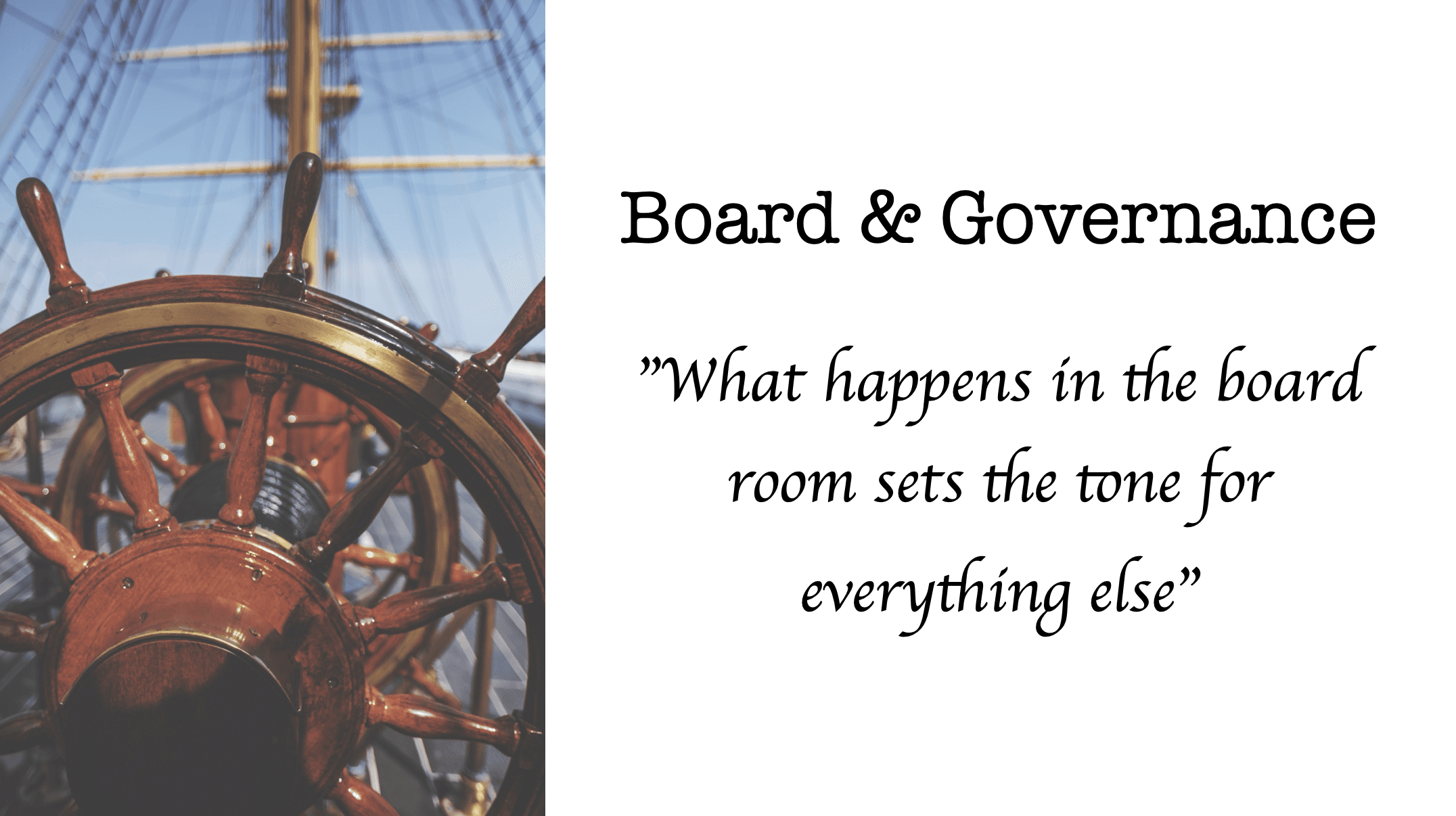
Board & Governance - Guardians of Purpose and Responsibility

People & Values - The Inner Life of an Organization
Strategy Needs More Than Smartness
The Mission & Vision Dimension of the GreenGardens® Model
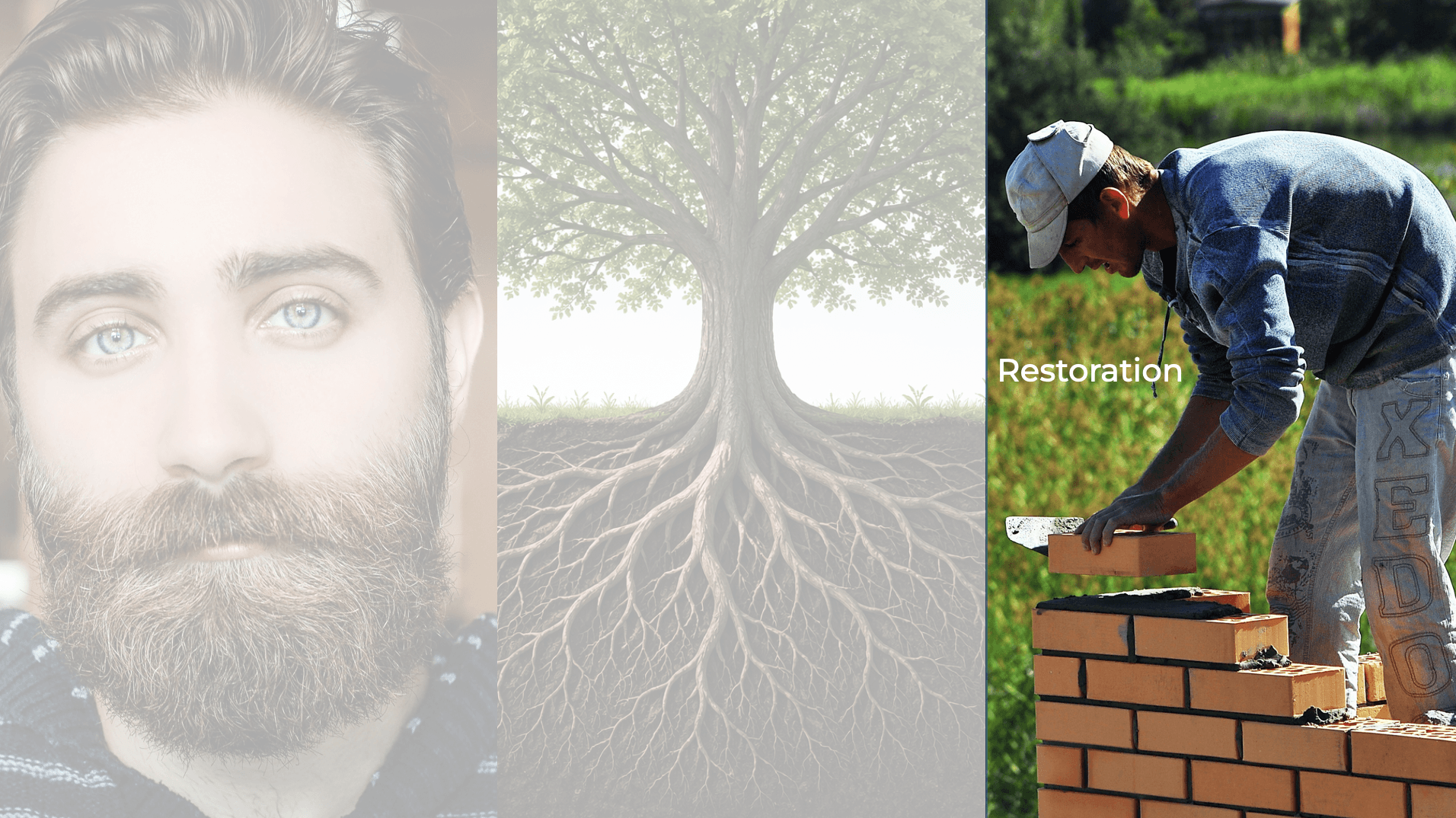
Restoring Dignity to Organizational Life
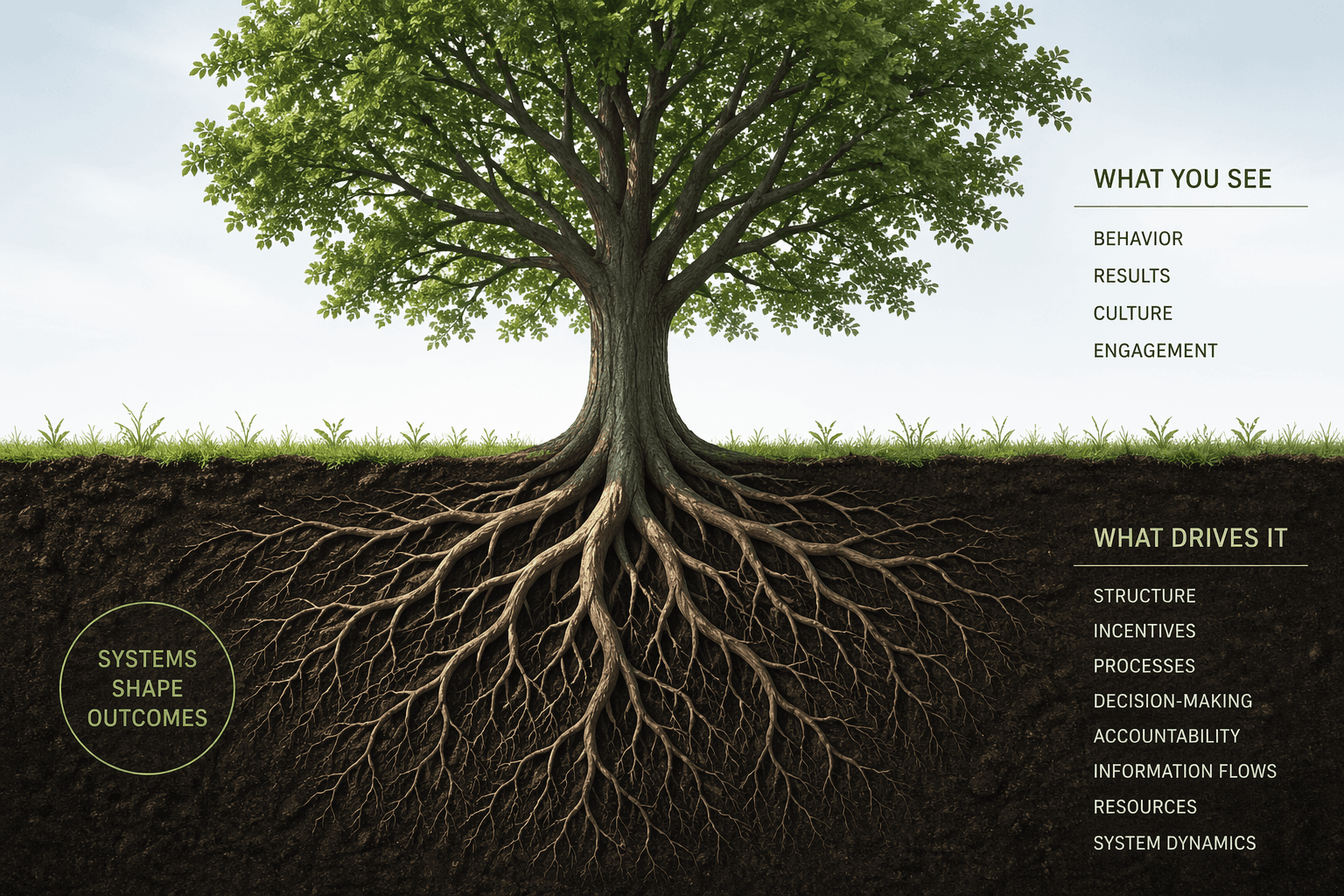
Why Organizational Problems Are Usually Systemic - And Why Most Measurement Tools Miss the Point
