
When Humans Are Treated Like Machines – and Machines Like Humans
I am participating in an international program called CAS Integral Economics (University of Fribourg & EoF), which brings together ethics 🛡️, faith 🙏, and sustainability 💚. Our current module, "The Human Person & Economic Paradigms", features Prof. Helen Alford from the Pontifical University of Saint Thomas Aquinas in Rome.
In her lecture “Productivity Growth in a Human-Centered Economy,” she shares a formative experience from her time as an engineering student. During her third year, she reads an article titled “Engineers and the Work People Do,” which begins with the line: “𝘞𝘩𝘢𝘵 𝘐’𝘮 𝘨𝘰𝘪𝘯𝘨 𝘵𝘰 𝘥𝘦𝘴𝘤𝘳𝘪𝘣𝘦 𝘵𝘰 𝘺𝘰𝘶, 𝘺𝘰𝘶’𝘭𝘭 𝘧𝘪𝘯𝘥 𝘷𝘦𝘳𝘺 𝘯𝘰𝘳𝘮𝘢𝘭, 𝘣𝘶𝘵 𝘐 𝘩𝘰𝘱𝘦 𝘵𝘩𝘢𝘵 𝘣𝘺 𝘵𝘩𝘦 𝘦𝘯𝘥 𝘰𝘧 𝘪𝘵, 𝘐 𝘸𝘪𝘭𝘭 𝘩𝘢𝘷𝘦 𝘤𝘰𝘯𝘷𝘪𝘯𝘤𝘦𝘥 𝘺𝘰𝘶 𝘪𝘵’𝘴 𝘳𝘦𝘢𝘭𝘭𝘺 𝘴𝘵𝘳𝘢𝘯𝘨𝘦.”
The article describes a production line where four women manufacture light bulbs. One woman repeats the same motion every three and a half seconds, eight hours a day, inserting a small wire into a bulb. The work is necessary, but the author questions its quality, describing it as potentially soul-destroying. Automation is quickly proposed.
The key insight comes next: when a robot is introduced, engineers immediately ask how its full potential can be used. When a human does the job, those questions are never asked. People are treated like machines, while machines are treated as valuable resources. The paradoxical conclusion is that if engineers thought about humans as if they were robots, they would give them more human work to do.
From this, Helen highlights three main points:
1. 𝗪𝗼𝗿𝗸 𝗶𝘀 𝗮 𝗸𝗲𝘆 𝘁𝗼 𝘂𝗻𝗱𝗲𝗿𝘀𝘁𝗮𝗻𝗱𝗶𝗻𝗴 𝘀𝗼𝗰𝗶𝗮𝗹 𝗽𝗿𝗼𝗯𝗹𝗲𝗺𝘀. How people are treated at work affects not only workplaces but society as a whole. Lack of dignity, meaning, and recognition at work spills over into families, communities, and social trust.
2. 𝗪𝗼𝗿𝗸 𝗶𝘀 𝗳𝗼𝗿 𝘁𝗵𝗲 𝗵𝘂𝗺𝗮𝗻 𝗽𝗲𝗿𝘀𝗼𝗻, 𝗻𝗼𝘁 𝘁𝗵𝗲 𝗼𝘁𝗵𝗲𝗿 𝘄𝗮𝘆 𝗮𝗿𝗼𝘂𝗻𝗱. When production is prioritized over people, everything is turned upside down. Technology and capital should serve the human person, not dominate her.
3. 𝗧𝗵𝗲 𝗰𝗼𝗻𝗳𝗹𝗶𝗰𝘁 𝗯𝗲𝘁𝘄𝗲𝗲𝗻 𝗹𝗮𝗯𝗼𝗿 𝗮𝗻𝗱 𝗰𝗮𝗽𝗶𝘁𝗮𝗹 𝗶𝘀 𝗳𝗮𝗹𝘀𝗲. Labor and capital need each other. When technology advances without parallel investment in people, expected productivity gains fail to appear - something research increasingly confirms.
I find this incredibly interesting. These insights apply far beyond factory floors. We continue to build systems that force people to fit the economy, instead of shaping an economy worthy of the human person; all while talking about sustainability and knowing, deep down, that something doesn’t quite fit.

The Economy of Trust

When the Company Is No Longer at the Center

Impact & Value Creation - When Value Actually Becomes Value

Operation & Finance - Stewardship in Practice
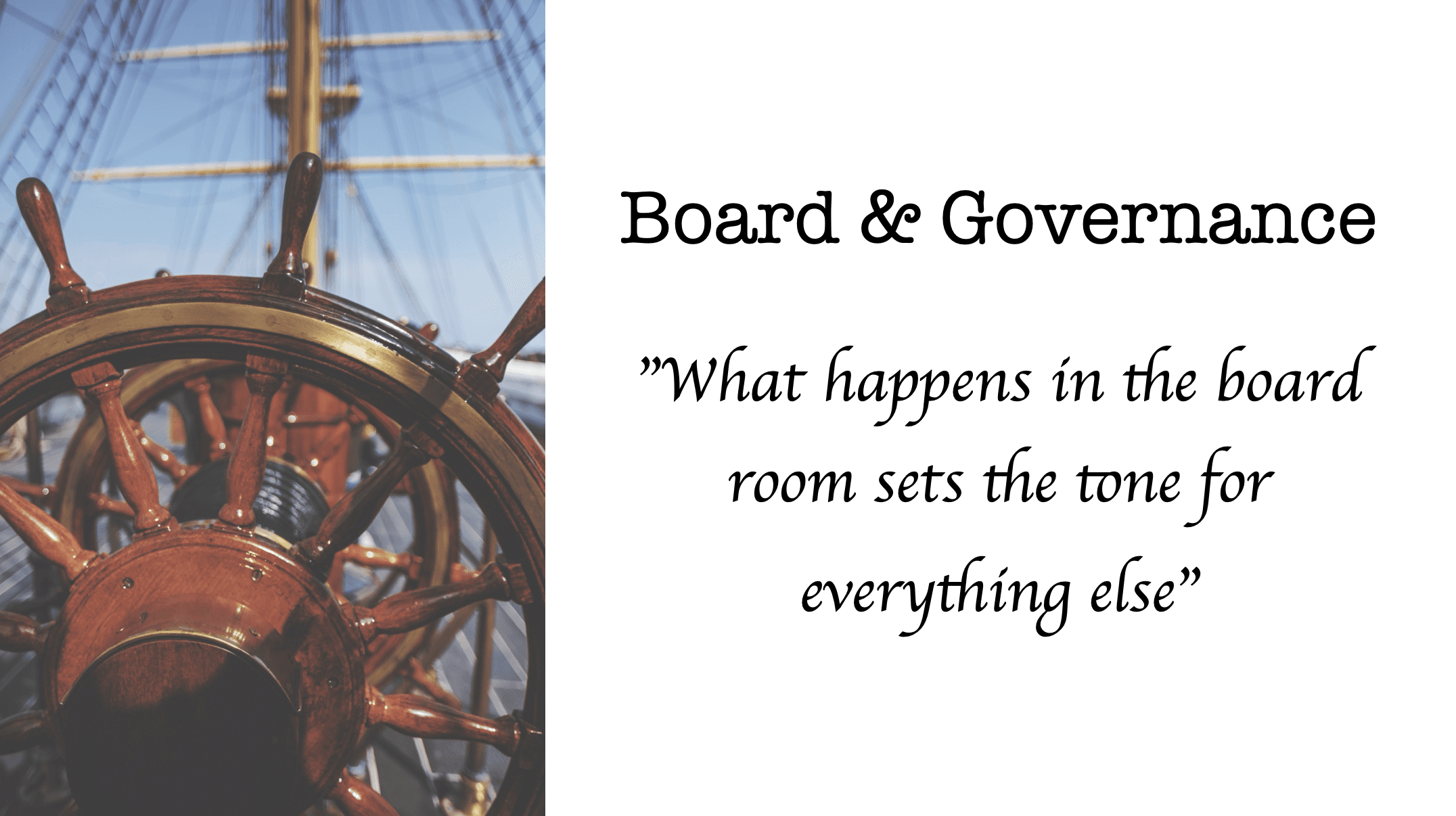
Board & Governance - Guardians of Purpose and Responsibility

People & Values - The Inner Life of an Organization
Strategy Needs More Than Smartness

The Mission & Vision Dimension of the GreenGardens® Model
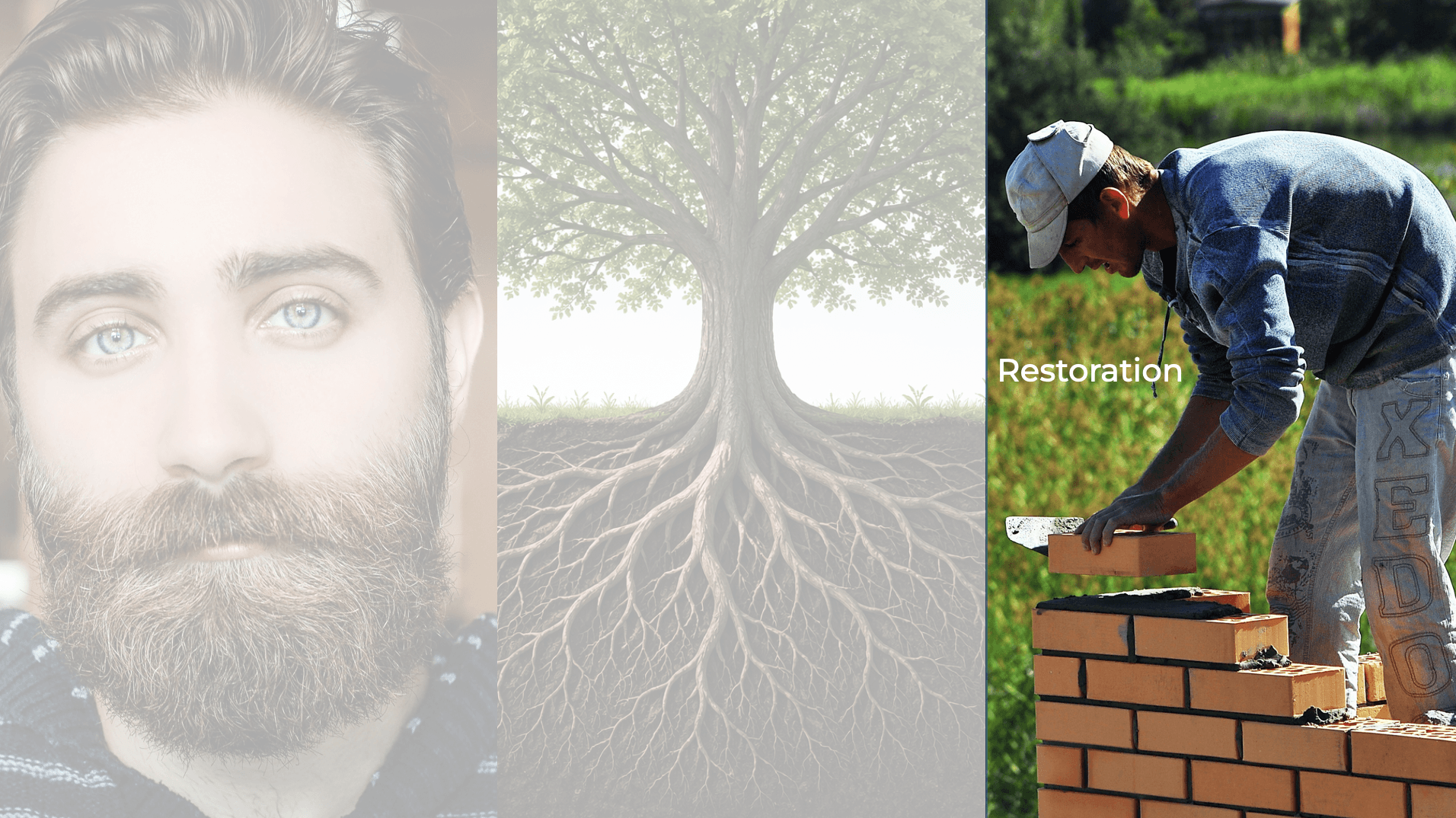
Restoring Dignity to Organizational Life
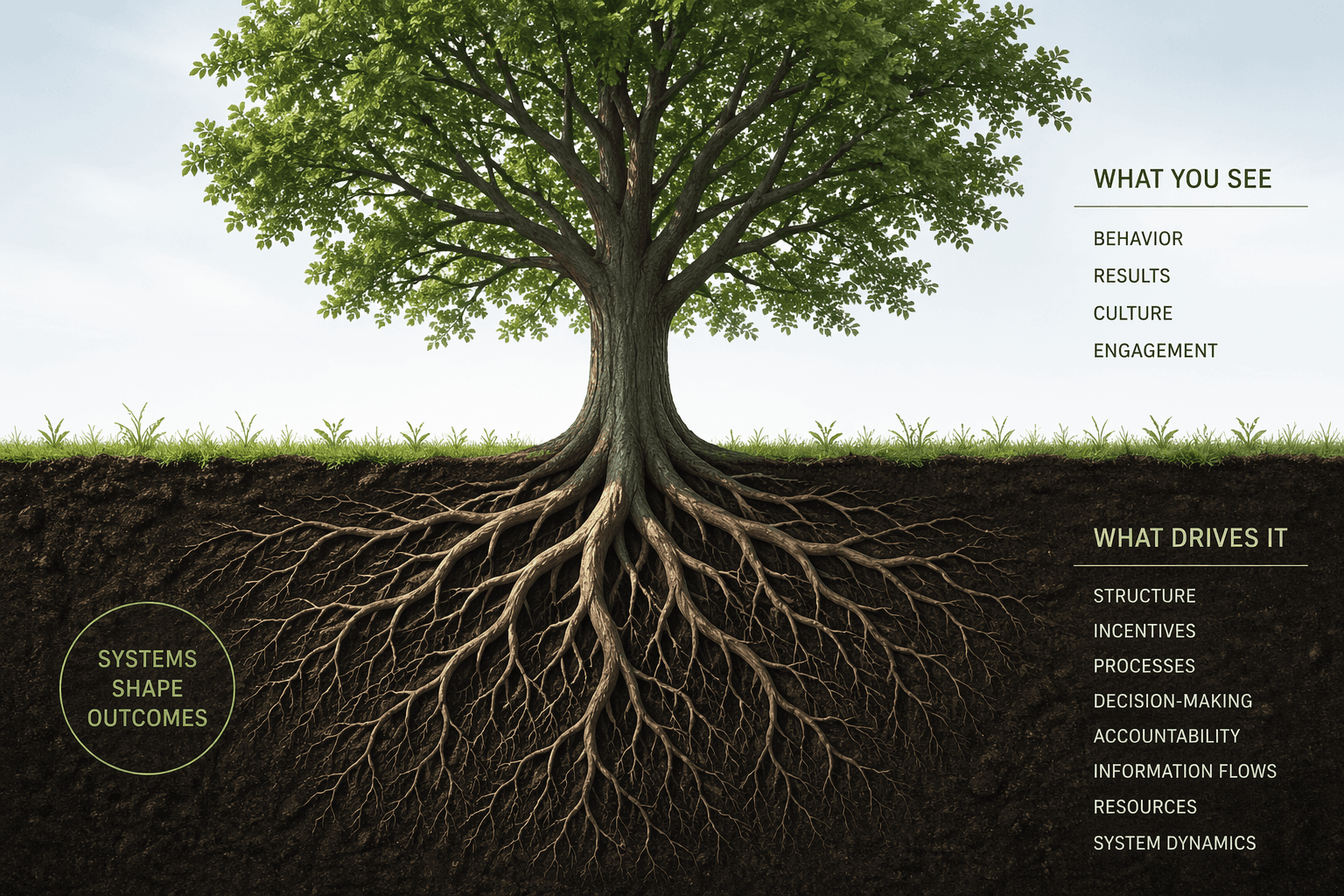
Why Organizational Problems Are Usually Systemic - And Why Most Measurement Tools Miss the Point
