Economics Is Ultimately About Something Bigger Than Money
When we talk about economics, we often think of growth, productivity, and markets. But historically, economics was about something more fundamental: how people live together and care for their shared home. The word economy comes from the Greek oikos (home) and nomos (management), and therefore fundamentally refers to the art of organizing the household so that everyone has what they need to live.
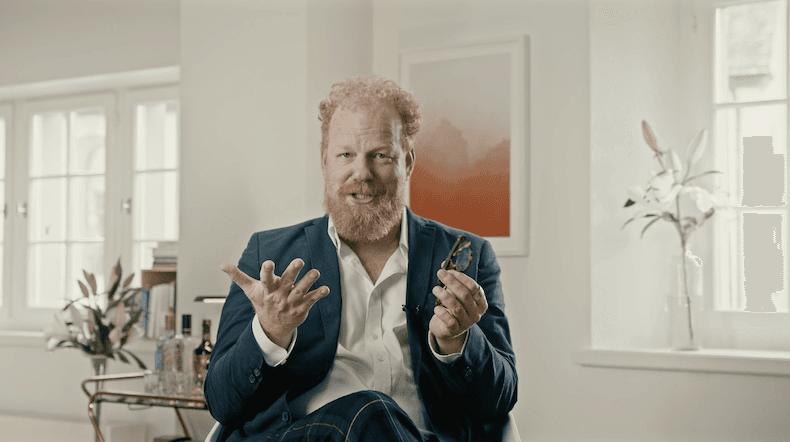
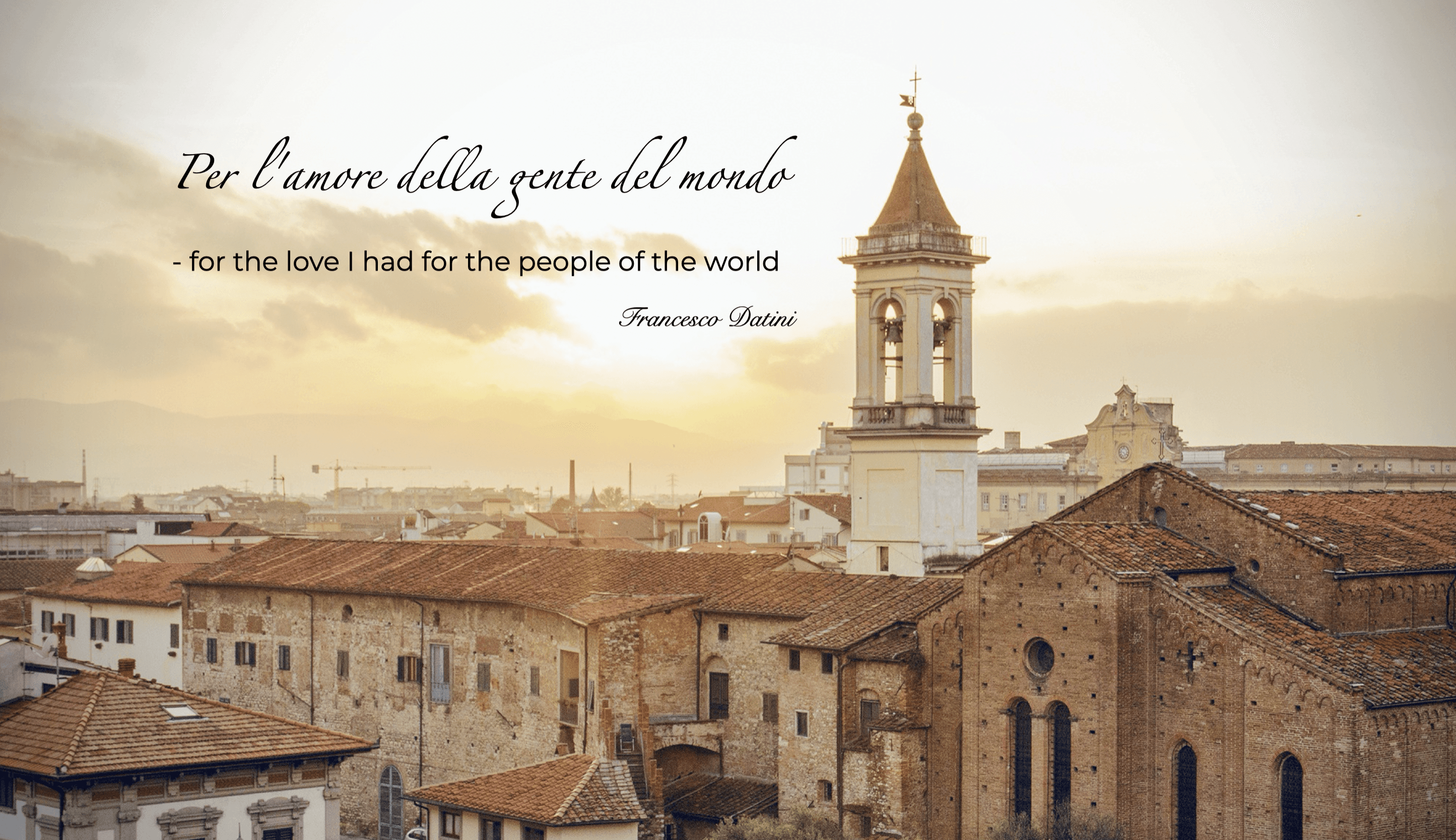
In antiquity, economics was closely connected to ethics. Aristotle saw it as part of the art of living a good life. Even medieval markets were closely linked to ethical considerations. Prof. Dr. Tomáš Sedláček from Metropolitan University in Prague explains in his lecture in the Integral Economics program (University of Fribourg), which I am currently attending, the influence that figures such as the merchant Marco Francesco Datini had on business ethics, entrepreneurship, and moral responsibility. Datini built a large international trading company with offices in several European cities, including Florence, Pisa, Barcelona, and Avignon. His organization of trade, accounting, and communication contributed to professionalizing medieval commerce. When he died, he left large parts of his fortune to charity and founded a home for the poor in Prato - an early example of organized social welfare.
During the Enlightenment, however, economics and ethics gradually became separated. A strong belief in reason, natural science, and measurable knowledge emerged, and economists such as Adam Smith introduced the idea that individuals pursuing their own self-interest in a free market could create prosperity for society as a whole. Economics increasingly became a technical discipline centered on models, mathematics, and efficiency. This contributed to enormous progress in industry and production, global trade, technological development, living standards, and social mobility. But it also had a downside: when we stop asking what the economy is actually for, the system risks becoming an efficient machine without direction.
Since the Industrial Revolution, humanity’s prosperity has increased dramatically. Most people today live materially richer lives than kings did a few centuries ago. At the same time, new tensions have emerged: inequality, environmental problems, social fragmentation, and a growing sense that people are reduced to producers and consumers. The crucial question therefore is not only how much wealth we create - but what it is for.
Research in psychology and sociology shows that a good life is not primarily built on unlimited consumption. What people need most are meaning, relationships, justice, trust, and the opportunity to contribute to something greater than themselves. Economic systems function best when they support these human needs - not when they replace them.
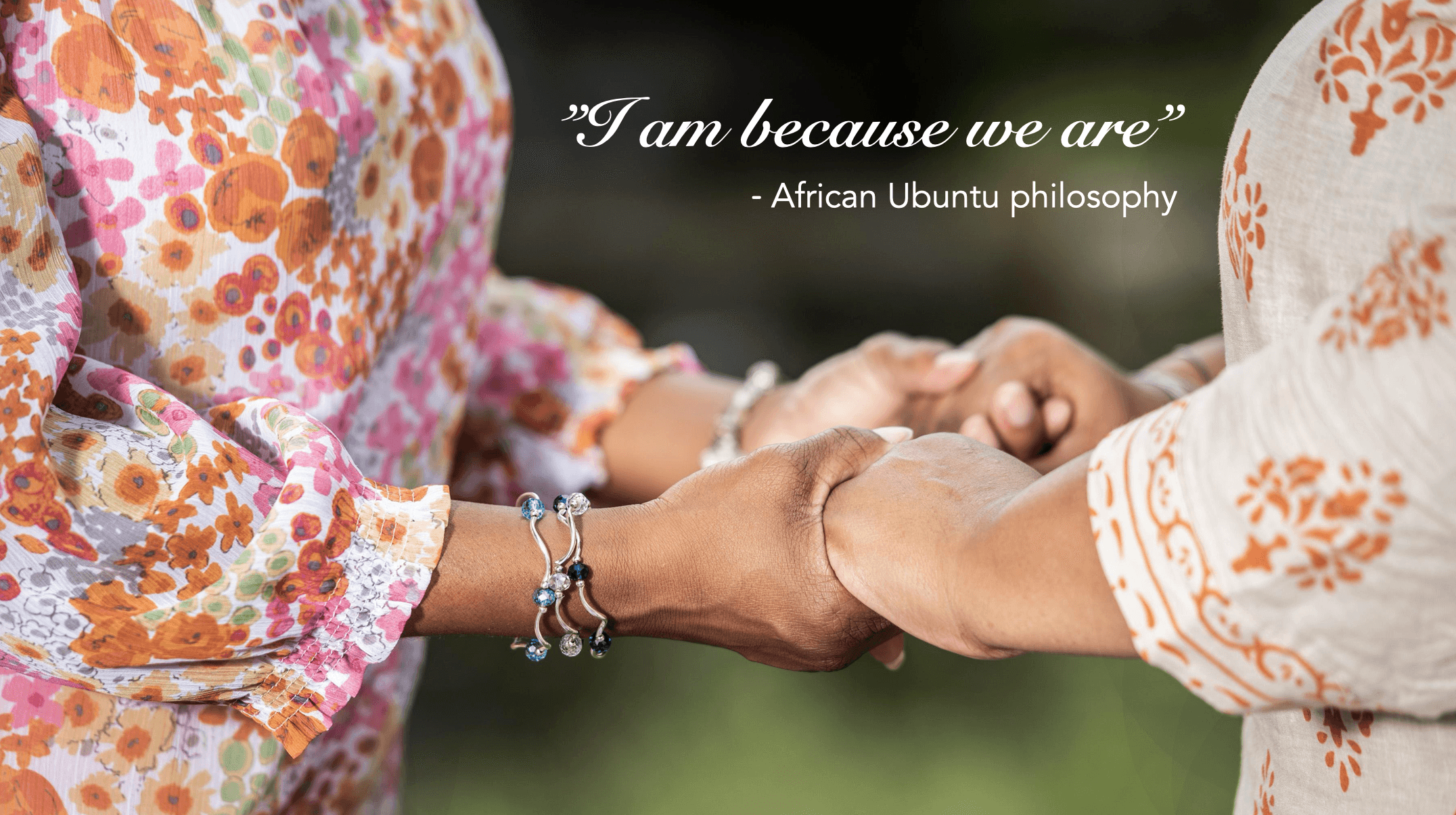
In our individualistic societies, it can sometimes be difficult to accept how deeply interconnected we human beings actually are. Our development has always depended on community and cooperation. For this reason, many cultures throughout history have expressed a common idea: a society functions best when it is organized around the common good - where people can flourish together, resources are used responsibly, and no one is left behind. When these principles are missing, systems risk becoming inhumane - efficient but without direction.
This is why the question of how we treat the most vulnerable in society repeatedly appears in the biblical texts. In many of the narratives, this becomes the test of whether a society truly works. The issue is not how much wealth is produced, but how people in vulnerable situations are treated. That is why there were rules about leaving part of the harvest for the poor, cancelling debts every seventh year, and regularly breaking patterns of dependency that risked turning people into lifelong servants. Even rest was meant to include everyone - servants, foreigners, and even animals.
These were radical ideas in a world where power and wealth were often concentrated in the hands of a few. The point was not to abolish work, trade, or ownership - but to remind people that the economy must always serve something greater than itself: life in community.
Despite the Enlightenment’s attempt to make economics a more technical discipline, Western societies still carry the fruit of these values. They have left deep marks on the foundations of our societies, including human rights, democratic institutions, welfare systems, social safety nets, and laws that protect labor rights and economic justice. At the same time, in a world that is becoming increasingly impatient, efficiency-driven, results-oriented, and monitored, we can sense how the roots of these ideas are gradually weakening. In our time, concepts such as CSR have emerged as a response to a growing realization: when the economy becomes too technical and impersonal, there is a longing to restore responsibility, humanity, and meaning to our economic systems. In the biblical narratives, however, the test is even more fundamental - not how much good is done alongside the system, but how the most vulnerable are actually treated within it.
How can this be translated into an organizational context? Here are some practical points to focus on:
Define the organization’s purpose beyond profit: articulate a purpose that also includes societal value.
Put human well-being at the center: give employees the opportunity to contribute to something meaningful.
Build the organization around collaboration: reward teamwork rather than purely individual performance.
Protect and strengthen the most vulnerable: identify groups at risk of being overlooked, such as junior employees, consultants, and subcontractors.
Integrate fairness into decision-making: ask questions such as “If this decision became public, would we stand by it with pride?” or “Does this build trust - or risk undermining it?”
Create economic models that serve people: think long-term rather than quarterly and invest in innovations that solve real problems.
Build leadership that unites economics and ethics: include ethical reflection in strategic decisions.
🔑 Key insights
Economics is ultimately about how we organize life together
Economics and ethics have historically belonged together
Technical economic success alone is not enough for a good society
The central question is what wealth is for
Human well-being depends more on relationships than on consumption
Cooperation and community are the foundation of human development
A sustainable society is built around the common good
How we treat the most vulnerable reveals a society’s true values
The economy must serve life in community

The Economy of Trust

When the Company Is No Longer at the Center

Impact & Value Creation - When Value Actually Becomes Value

Operation & Finance - Stewardship in Practice
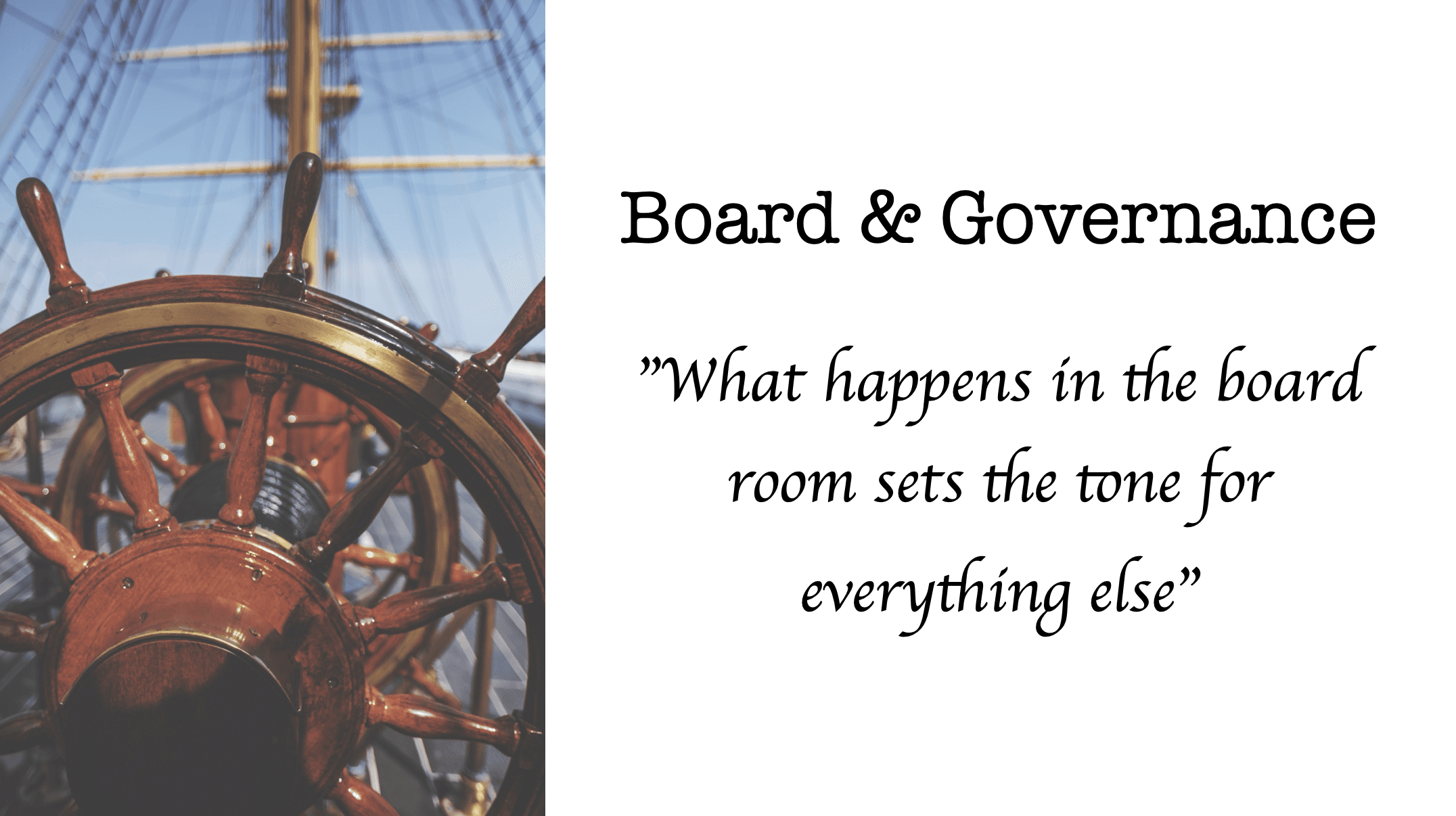
Board & Governance - Guardians of Purpose and Responsibility

People & Values - The Inner Life of an Organization
Strategy Needs More Than Smartness
The Mission & Vision Dimension of the GreenGardens® Model
Restoring Dignity to Organizational Life
Why Organizational Problems Are Usually Systemic - And Why Most Measurement Tools Miss the Point
