
The Question Behind Every Organization
This is part of a series on organizational health. I begin with the foundations and move step by step toward how this takes form in practice. This is article 1.
Something feels broken in working life. Teachers spend more time on documentation than on teaching. Nurses leave their shifts with the feeling they could not do enough. Social workers handle more and more cases, but have less time to meet the people they are meant to help. Managers are expected to deliver results but are given little time or space to actually lead. Across roles, the pattern is the same: the workload exceeds what is sustainable.
When these problems appear, the typical response is to add more systems, more processes, and more ways of measuring results. Yet the deeper issue may not be a lack of tools. It may be that the systems themselves are built on assumptions that no longer see people as people.
To understand this, we need to step back and ask a question that rarely appears in management literature but quietly shapes every organization:
What is a human being - and what is she worth?
Every organization operates on an answer to that question, whether it is spoken or not. The answer rarely appears in strategy documents or value statements. Instead, it becomes visible in everyday decisions: in how costs are cut, how risks are distributed, what is sacrificed when pressure increases, and what the organization ultimately chooses to protect.
If people are primarily understood as resources, organizations gradually begin to function accordingly. Efficiency becomes more important than dignity. Control replaces trust. Results overshadow responsibility. The organization may still perform - sometimes very well - but something essential begins to disappear. Work slowly turns into a system people must endure rather than a place where they can contribute and grow.
In that moment, organizations begin to lose something that cannot be restored through strategy documents or cultural slogans. They lose their soul.
Interestingly, even the words we use in our daily language hint at another understanding. The word economics originally came from the Greek oikonomia - the stewardship of a household, the art of organizing life so that people could flourish. For a long time, economics and ethics belonged together. Only in modern times were they separated, turning economics into a largely technical discipline focused on efficiency, models, and growth.

Similarly, the word company comes from the Latin com and panis - to share bread. It points toward community: people gathering around something they carry together. Somewhere along the way, we seem to have forgotten this. Production was meant to serve people - not the other way around. And this is not only a moral question, but a practical one. Because organizations that lose sight of the human person rarely remain sustainable over time.
And that is where the conversation about organizational health must begin.

The Economy of Trust

When the Company Is No Longer at the Center

Impact & Value Creation - When Value Actually Becomes Value

Operation & Finance - Stewardship in Practice
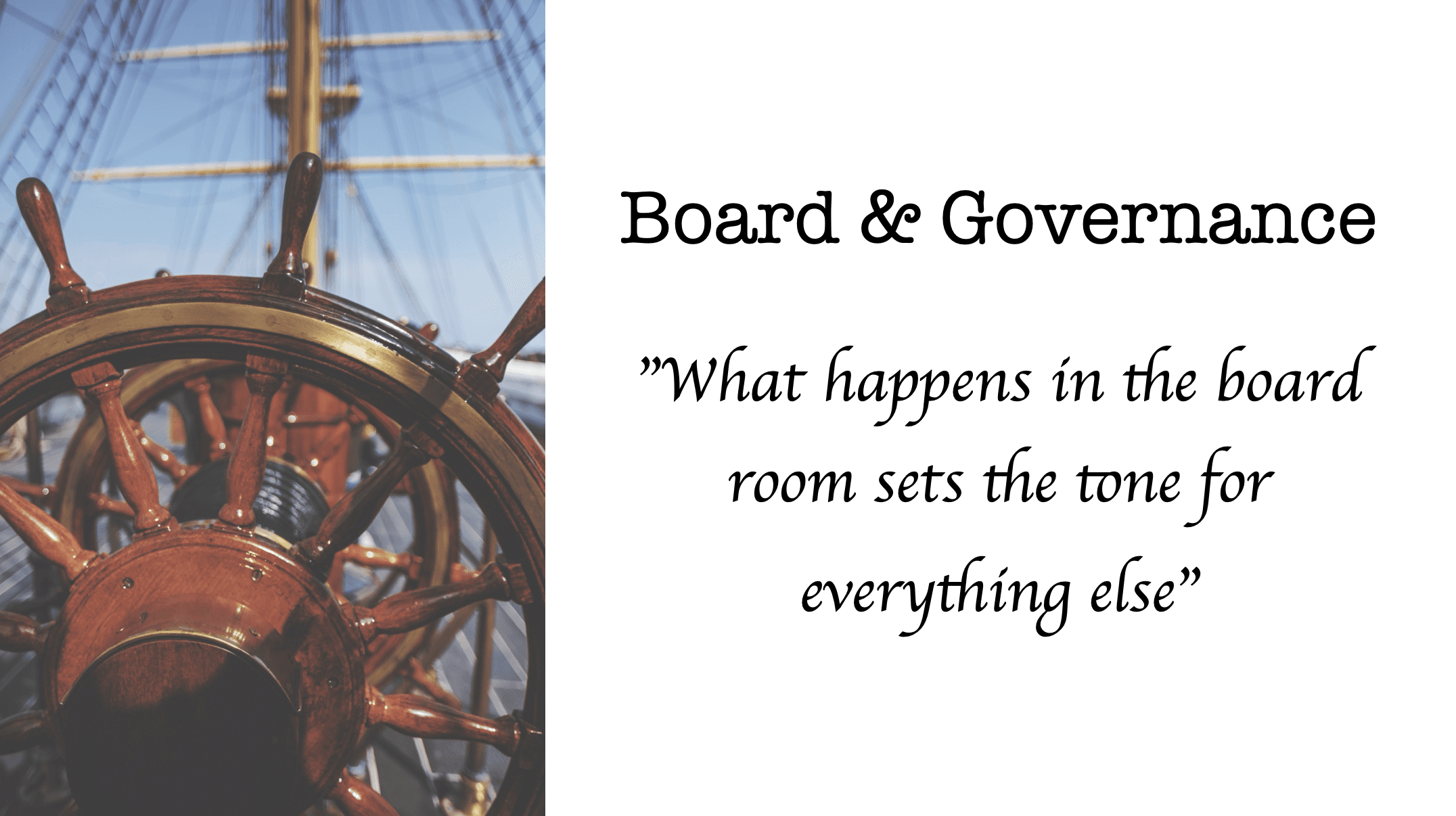
Board & Governance - Guardians of Purpose and Responsibility

People & Values - The Inner Life of an Organization
Strategy Needs More Than Smartness
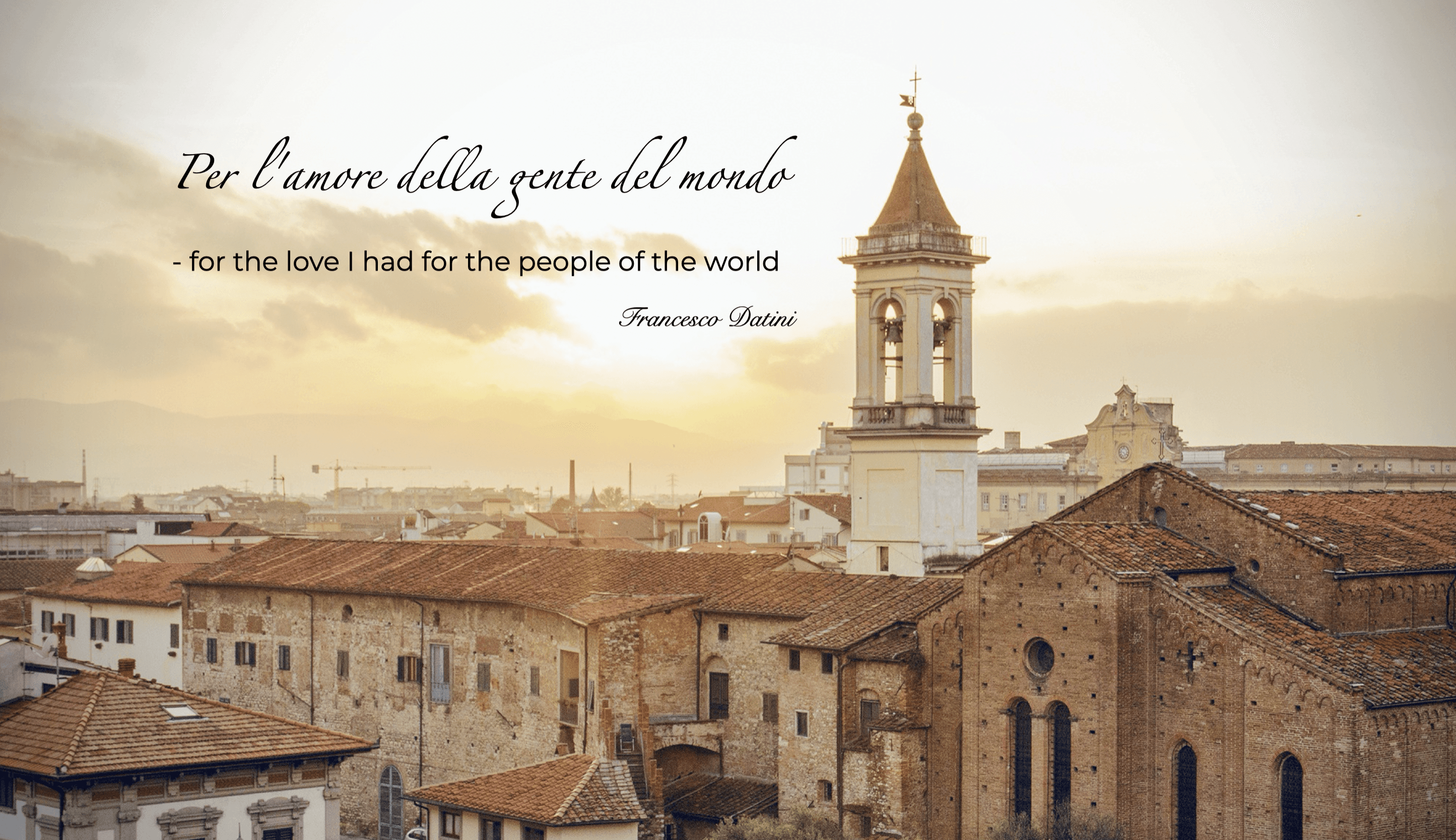
The Mission & Vision Dimension of the GreenGardens® Model
Restoring Dignity to Organizational Life
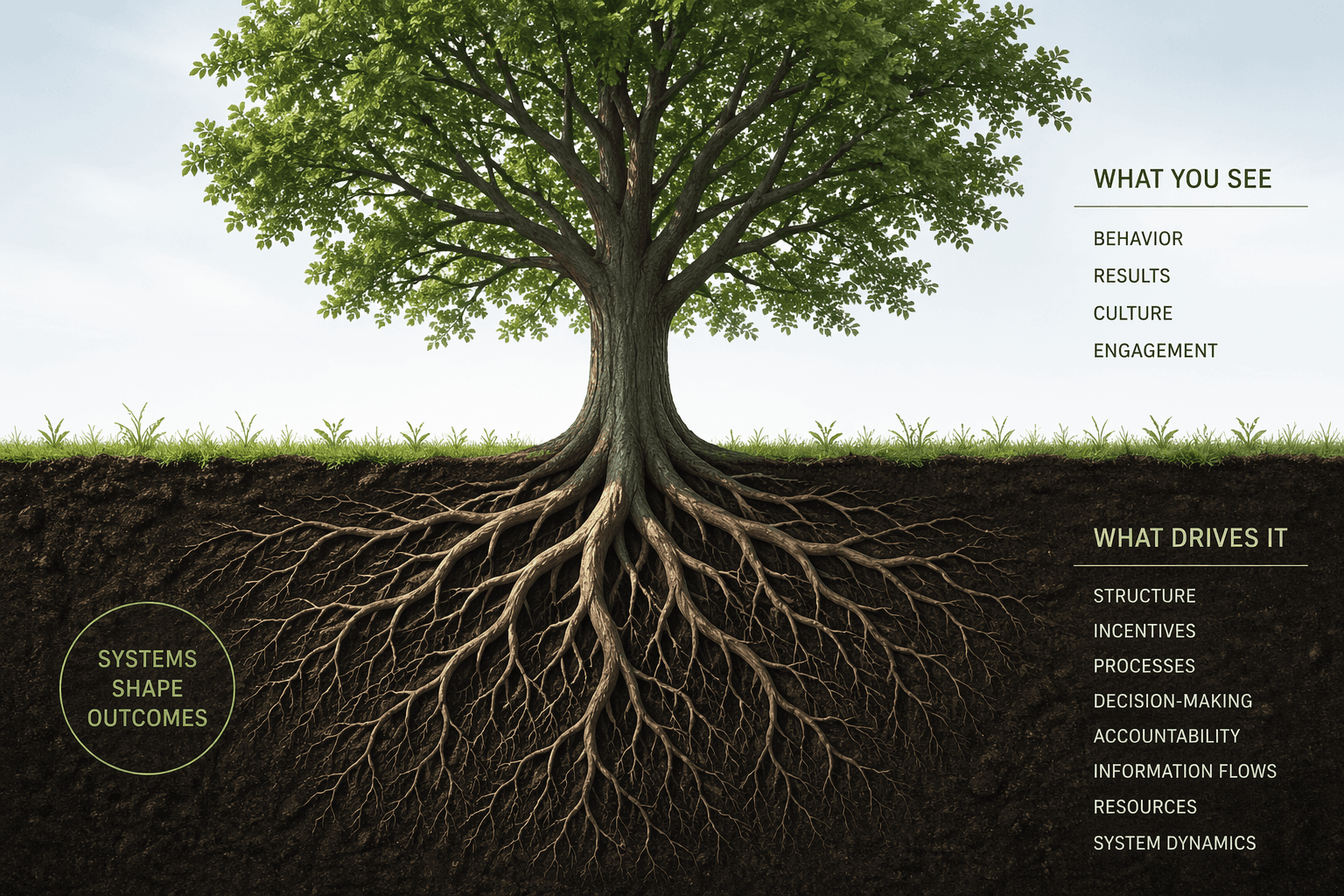
Why Organizational Problems Are Usually Systemic - And Why Most Measurement Tools Miss the Point
