
Servant Leadership - An Essential Quality for an Age of Uncertainty
"Leadership is an act of service that provides guidance, courage and steadiness. Leaders carry responsibility for the whole, setting direction while enabling others to grow and contribute. Through humble and trustworthy leadership, vision is connected to action and change with integrity." (definition from the GreenGardens® model)
Servant Leadership is one of the eight dimensions of the GreenGardens® model for organizational health. At the same time, it stands in sharp contrast to many of the ideals that shape contemporary views of leadership. We live in a time when leadership is often associated with visibility, influence, and personal success. Servant leadership turns this perspective upside down. Here, the leader is not at the center. The focus is instead on the mission, the people, and the responsibility that leadership entails.
A friend recently recommended a book to me called The Way of the Shepherd: Seven Secrets to Managing Productive People. He described it as the best leadership book he had ever read. I am inclined to agree. The book is remarkably simple, yet unexpectedly profound.
The story centers on a confident MBA graduate who has just been given responsibility for the finance department at General Technologies. Academically, he is brilliant and highly skilled in his field. Yet he soon realizes that mastering spreadsheets and financial models is one thing; leading nine people is quite another. Unsure of how to approach the task, he turns to one of his professors, who also happens to be his mentor.
The professor, repeatedly voted Outstanding Professor of the Year, chooses an unconventional way to teach. Over several Saturdays, he invites the young manager to join him as he tends his small flock of sheep. By observing how the shepherd relates to the flock - with attentiveness, care, patience, and firmness - the student gradually learns seven principles of leadership.
The Shepherd’s Seven Principles
Know your flock - truly know your people.
Effective leadership begins with understanding people as individuals: their strengths, weaknesses, motivations, and aspirations.
Pay attention to the condition of the flock.
The right person needs to be in the right role. Strengths should be activated, and personalities should fit the context. Passion and attitude often matter more than talent alone.
Let the flock identify with you.
Trust is built through authenticity, integrity, and genuine care. Leaders must articulate a clear purpose and help each individual understand why their contribution matters.
Make the pasture a safe place.
A healthy work environment requires transparency, presence, and clarity. Problems should be addressed early, before they grow into systemic issues.
Use the staff for guidance.
People need freedom to act, but within clear boundaries. Leadership is about providing direction and structure, not controlling every detail.
Use the staff for correction.
Leaders must protect the team both from external threats and from internal mistakes or behaviors that may harm the group.
Lead with the shepherd’s heart.
The most fundamental question is also the simplest: Are you leading because you genuinely care about people and want to see them grow, or because leadership offers status and reward?

These principles capture the essence of servant leadership, a philosophy in which the leader’s primary task is to serve the growth, well-being, and development of others. Servant leaders demonstrate empathy, listen actively, genuinely care about people, lead by example, and help create a shared vision that gives meaning to the organization’s work.
At the same time, it is far from common to encounter such leadership in today’s organizations. Yet this is perhaps not surprising. Our reward systems still tend to favor status, power, and financial outcomes over relational leadership. In such systems, vulnerability, humility, and genuine concern for people are rarely the qualities for which leaders are evaluated or rewarded.
Perhaps the issue runs even deeper. Servant leadership challenges one of the most fundamental assumptions of our age: that the primary purpose of human life is self-actualization. If leadership is primarily about personal success, status, or influence, then servant leadership can seem strange, perhaps even naïve. But if human beings find their deepest meaning in contributing to something greater than themselves, the perspective changes. Leadership becomes less about what the leader can gain from a position and more about the responsibility he or she is called to carry.
Organizational thinker Patrick Lencioni has pointed out that leadership education focuses primarily on strategy, marketing, finance, and technology. Far less attention is given to areas such as organizational politics, clarity, moral responsibility, productivity, and workplace satisfaction, despite the fact that these are often the factors that determine whether an organization succeeds or fails. In the long run, this imbalance is not sustainable.
Perhaps this imbalance becomes particularly problematic in times of uncertainty. When the world is changing rapidly, technical competence and well-crafted strategies are no longer enough. Organizations also need trust, cohesion, and leaders who can provide direction when the map no longer matches reality.
Entrepreneur and author Peter Hinssen describes the reality many organizations now face in his book The Uncertainty Principle with the phrase:
"Never normal is the new normal."
We live in a world characterized by constant change, disruption, and uncertainty. In such an environment, servant leadership becomes more important than ever. Leaders must build trust and psychological safety while placing people’s development and well-being at the center of organizational life. Only then can individuals develop the resilience and courage required to navigate uncertainty.
Ultimately, it is this capacity that will shape an organization’s performance - even on the bottom line.


The Economy of Trust

When the Company Is No Longer at the Center

Impact & Value Creation - When Value Actually Becomes Value

Operation & Finance - Stewardship in Practice
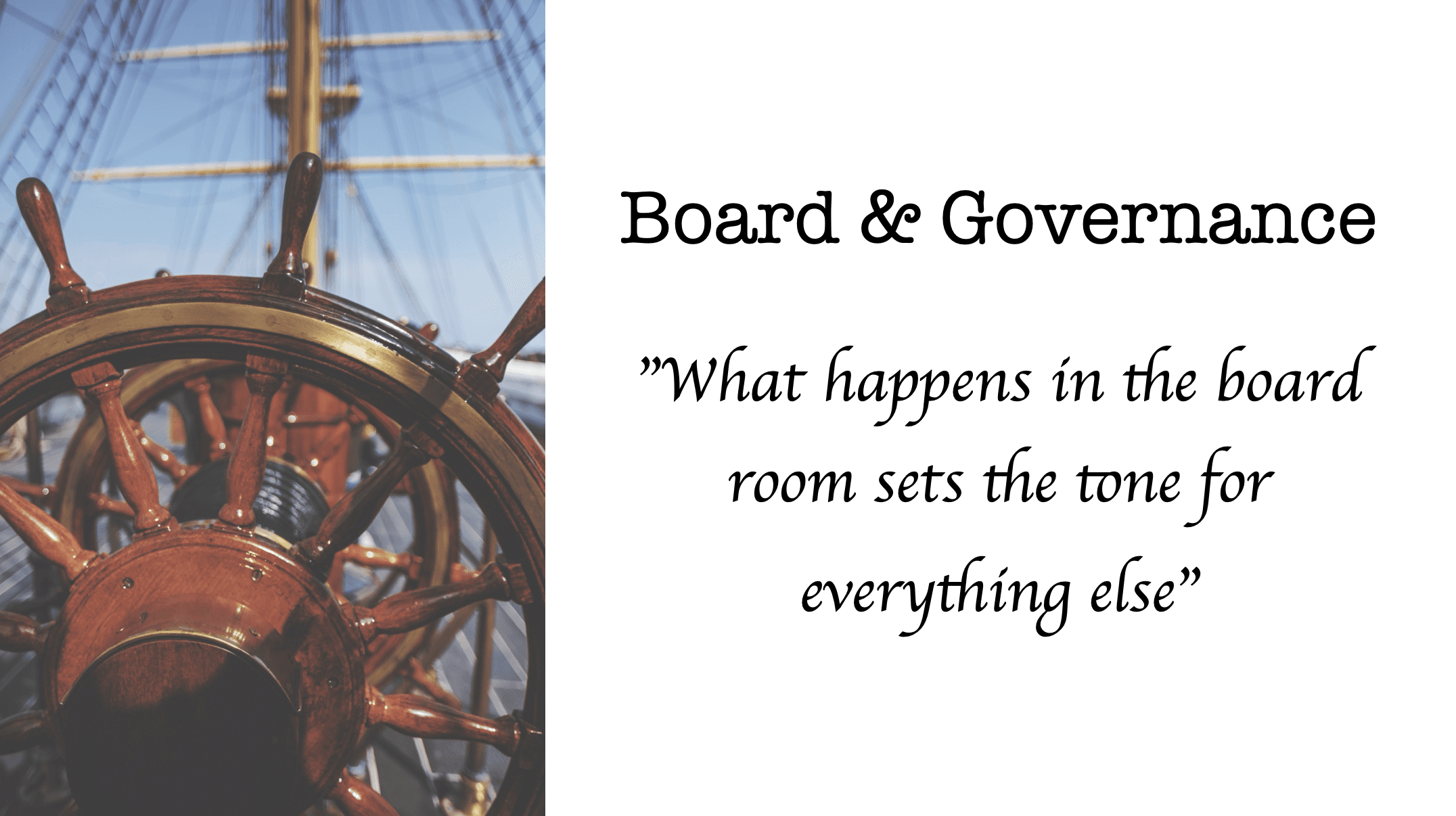
Board & Governance - Guardians of Purpose and Responsibility

People & Values - The Inner Life of an Organization
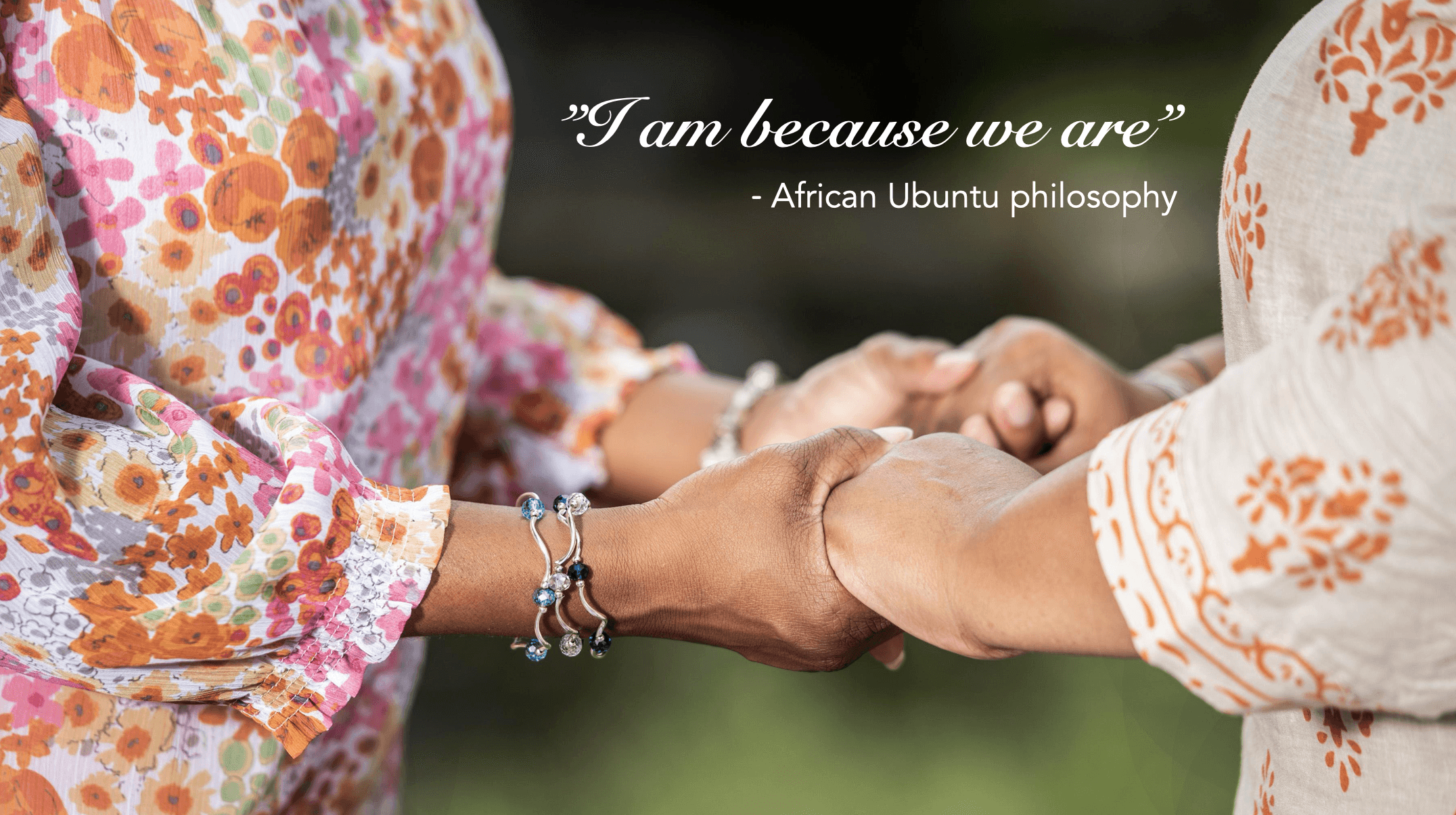
Strategy Needs More Than Smartness

The Mission & Vision Dimension of the GreenGardens® Model

Restoring Dignity to Organizational Life
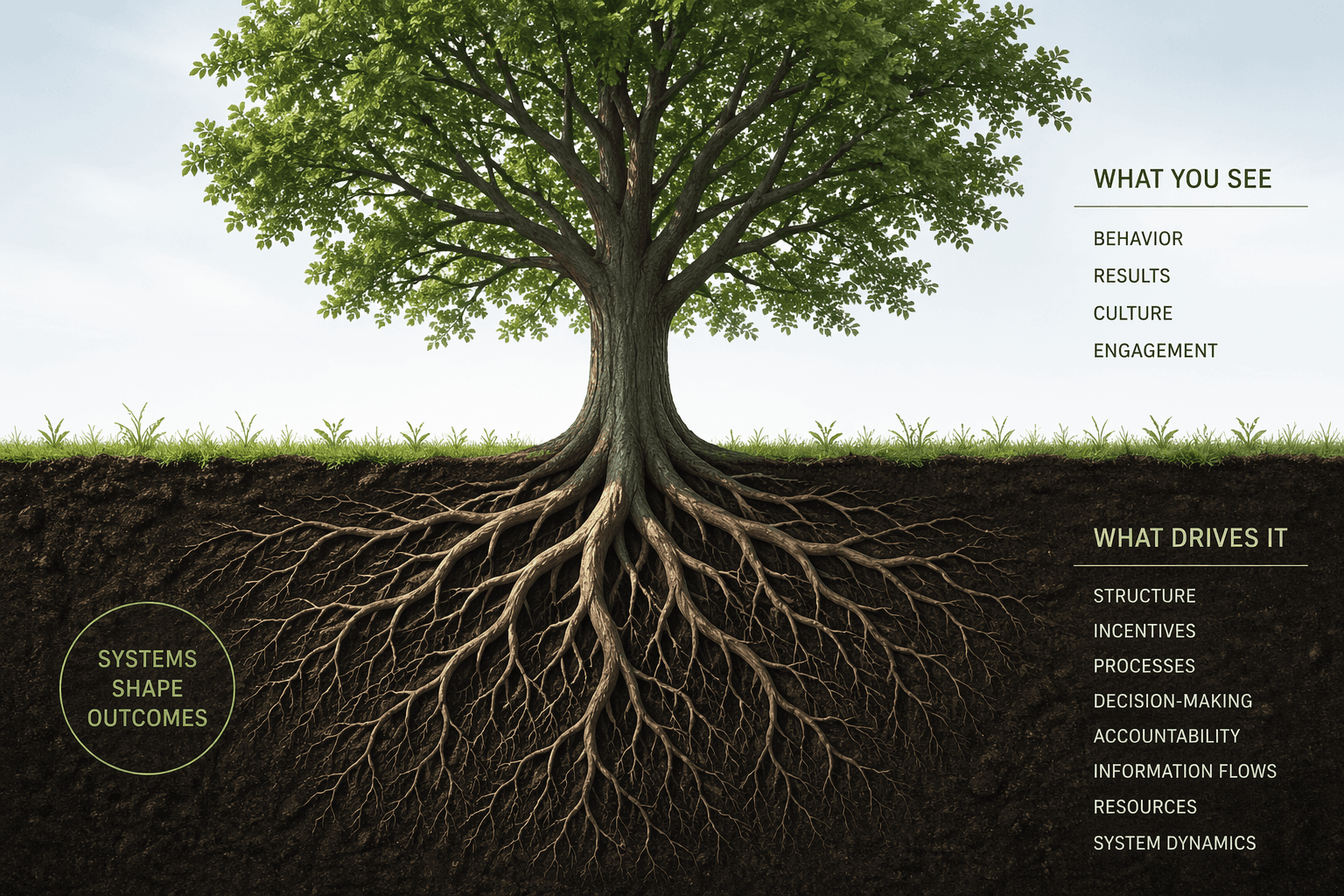
Why Organizational Problems Are Usually Systemic - And Why Most Measurement Tools Miss the Point
