Strategy Needs More Than Smartness
Most organizations know how to build a strategy. Far fewer know how to build the culture required for that strategy to actually work.
"Strategy is the practice of discernment and wise choice. It translates purpose into focus by clarifying direction, priorities, boundaries, and the use of resources. Through strategy, the organization seeks to act with intention rather than impulse, aligning efforts with what truly matters." (The GreenGardens® model)
But what is it that truly matters? Patrick Lencioni makes an important distinction between what he calls the organization’s smart dimension - strategy, structure, and metrics - and its healthy dimension: culture, clarity, and relationships. His point is simple but challenging: the healthy dimension is harder to measure, yet it is ultimately what determines whether a strategy truly lives or merely exists as a document.
I want to explore this through four perspectives that may not be typical in strategy discussions, but which I believe say something important about why some organizations function better than others. The inspiration comes from the CAS Integral Economics program at the University of Fribourg in Switzerland, which I am currently attending.
Transactions Build Efficiency. Relationships Build the Future.
Economist Paul Dembinski distinguishes between two ways of organizing economic life. One is built around the transaction, which is immediate, anonymous, and instrumental. I pay, I receive, the exchange is complete. The other is built around the relationship. Relationships take time, require trust, and generate things that transactions alone can never produce: creativity, loyalty, and innovation.
New ideas emerge in relationships. A strategy focused exclusively on efficiency - faster processes, lower costs, and higher output - therefore risks undermining its own future. Innovation rarely emerges from maximum optimization, but from environments where people have time to build trust, think together, and test new ideas.
Rowan Williams, former leader of the Anglican Church and widely regarded as one of the most intellectually respected theologians of his generation, expressed something similar when he argued that a society collapses when the economy is allowed to set its own goals without connection to human development. The same question is relevant for organizations,
are we merely building efficient systems, or are we building environments in which people can actually grow?
One could also say that we become who we are through relationships. This is evident already at the beginning of life: an infant left entirely on its own, without language, care, or community, does not survive. Human beings are formed and sustained through relationships throughout life - and organizations are no different. An organization that primarily sees people as functions and resources may optimize short-term results, but will often struggle to build the trust and sense of community that long-term vitality depends upon.
Trust Is Not Created by the Market - But Markets Collapse Without It
One image from the program stayed with me. A beekeeper discovers that the honey is disappearing. But the problem is not the bees , the problem is that the flowers and trees around them have disappeared. Bees cannot produce honey without an ecosystem that nourishes them.

Organizations often work in the same way. Every day they consume trust - between colleagues, between leaders and employees, between companies and customers - but they do not automatically create it. Trust is built slowly through relationships, fairness, and shared experience.
The father of modern economics, Adam Smith, is often portrayed as a defender of pure self-interest. Yet in The Theory of Moral Sentiments he also wrote that societies flourish through friendship, trust, and reciprocity. A society may function for a time on transactional logic alone, but once injustice is allowed to dominate, the foundations of shared life begin to erode.
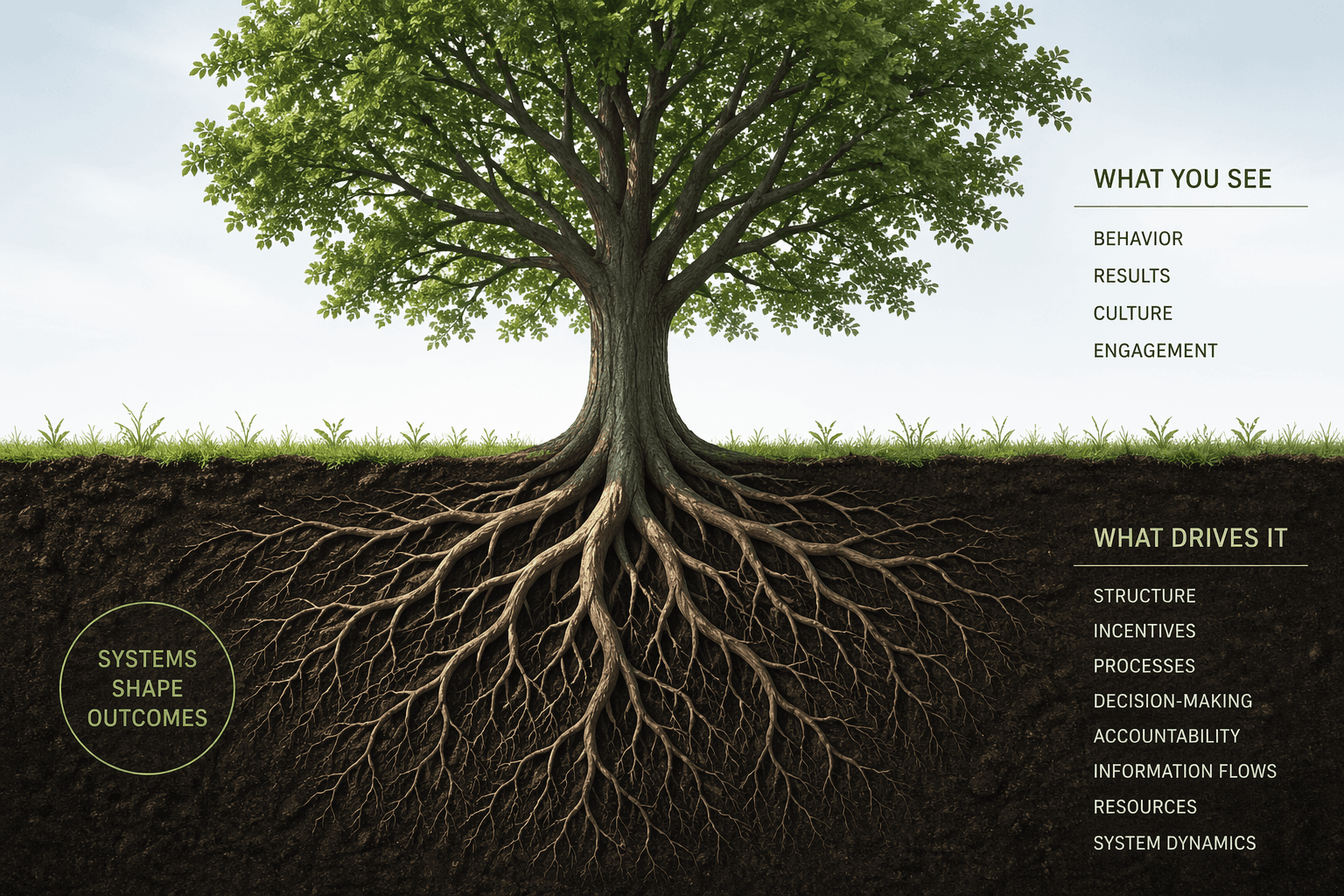
This is why organizational health is not a soft complement to strategy. It is the soil in which strategy grows. It is the ecosystem strategy depends on in order to function at all. Without it, we plant no new flowers - and eventually the honey runs out.
Unity and Diversity: A Tension to Be Held, Not Solved
Every organization wrestles with the same question: how do we create cohesion without suffocating difference? Too much control kills initiative. Too much individualism creates fragmentation.
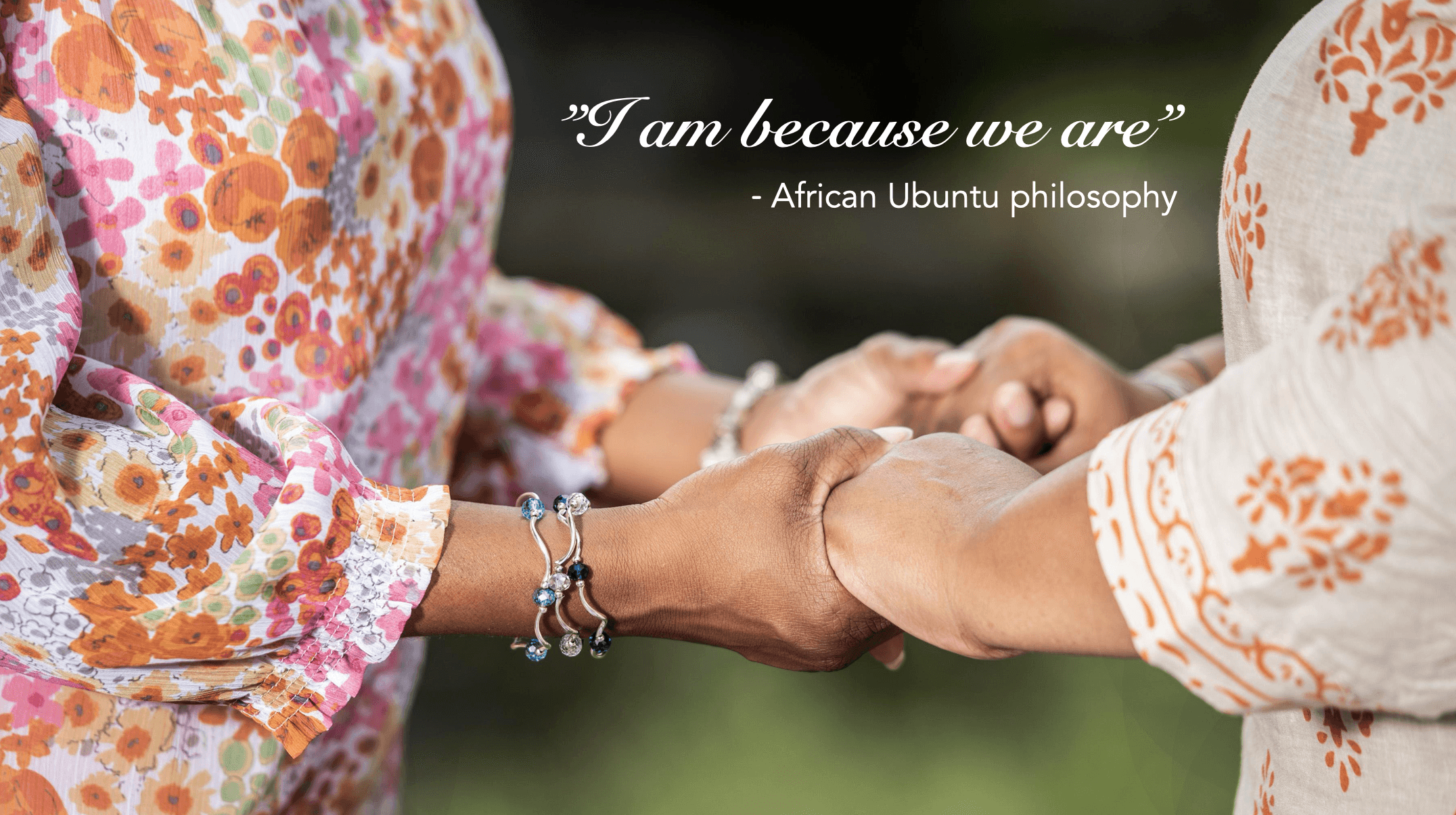
There is an important insight here found in both philosophy and theology. In the Ubuntu tradition, it is expressed simply: “I am because we are.” Human beings come into existence through relationship. I learn language because someone speaks to me. I develop an identity because someone reflects me back to myself. I learn trust and responsibility because someone embodies them in practice.
That same insight is deeply embedded in the Christian understanding of the Trinity. The Father, the Son, and the Holy Spirit are not understood as isolated individuals, but as persons who exist in and through relationship with one another. They are their relationships. Unity does not emerge because diversity is erased, but through relationships in which one does not merely exist beside others, but also for others.
There is also an important organizational insight here: strong cultures are not built through conformity, control, or process alone, but through relationships strong enough to hold difference without falling apart. It is only when people feel seen, needed, and responsible to one another that both cohesion and creativity can grow simultaneously.
And that is precisely the kind of culture many strategies assume - but far fewer organizations actually invest in.
The Joseph Paradox: When Strategy Succeeds but Leadership Fails
There is a story in Genesis that rarely appears in strategy literature, though perhaps it should more often. Joseph, the interpreter of Pharaoh’s dreams who stored grain ahead of seven years of famine, appears as the ultimate strategist. The analysis was brilliant, the execution worked, and the results were overwhelming. His planning saved Egypt from collapse and attracted people from across the region. Measured by every conventional KPI, this was a strategic triumph.
But the story also has a darker side. In the process, power became centralized, people lost their land, and dependency increased. The strategy worked - but success came at a cost. And perhaps this is one of leadership’s most important questions: it is not enough to be smart. It is not even enough to deliver results. Sooner or later, every organization must answer what it is actually building - and whom or what that construction ultimately serves.
Here Patrick Lencioni’s perspective becomes particularly clear. Joseph had the strategy, the structure, and the metrics. What he lacked was the understanding that a strategy which consolidates power and creates dependency may be effective in the short term while simultaneously undermining the human and relational capital on which long-term vitality depends.
The Real Test of Strategy
If Patrick Lencioni is right - that organizational health ultimately outperforms smartness in the long run - then we need to ask different questions in our strategic processes, such as:
How do we balance short-term efficiency with long-term vitality?
Are culture and relationships truly part of the strategy, or simply something we hope will emerge on their own?
Is the strategy merely a document, or does it genuinely shape how people work together?
How do we address conflict, power dynamics, and internal tensions before they begin to undermine the organization from within?
Strategy without health is ultimately just a plan on paper. And an organization that consumes more trust than it generates lives on borrowed time. (Perhaps it is telling that the number of large corporate bankruptcies in the United States during 2024 reached its highest level since the aftermath of the financial crisis, according to the Financial Times.)

The Economy of Trust

When the Company Is No Longer at the Center

Impact & Value Creation - When Value Actually Becomes Value

Operation & Finance - Stewardship in Practice
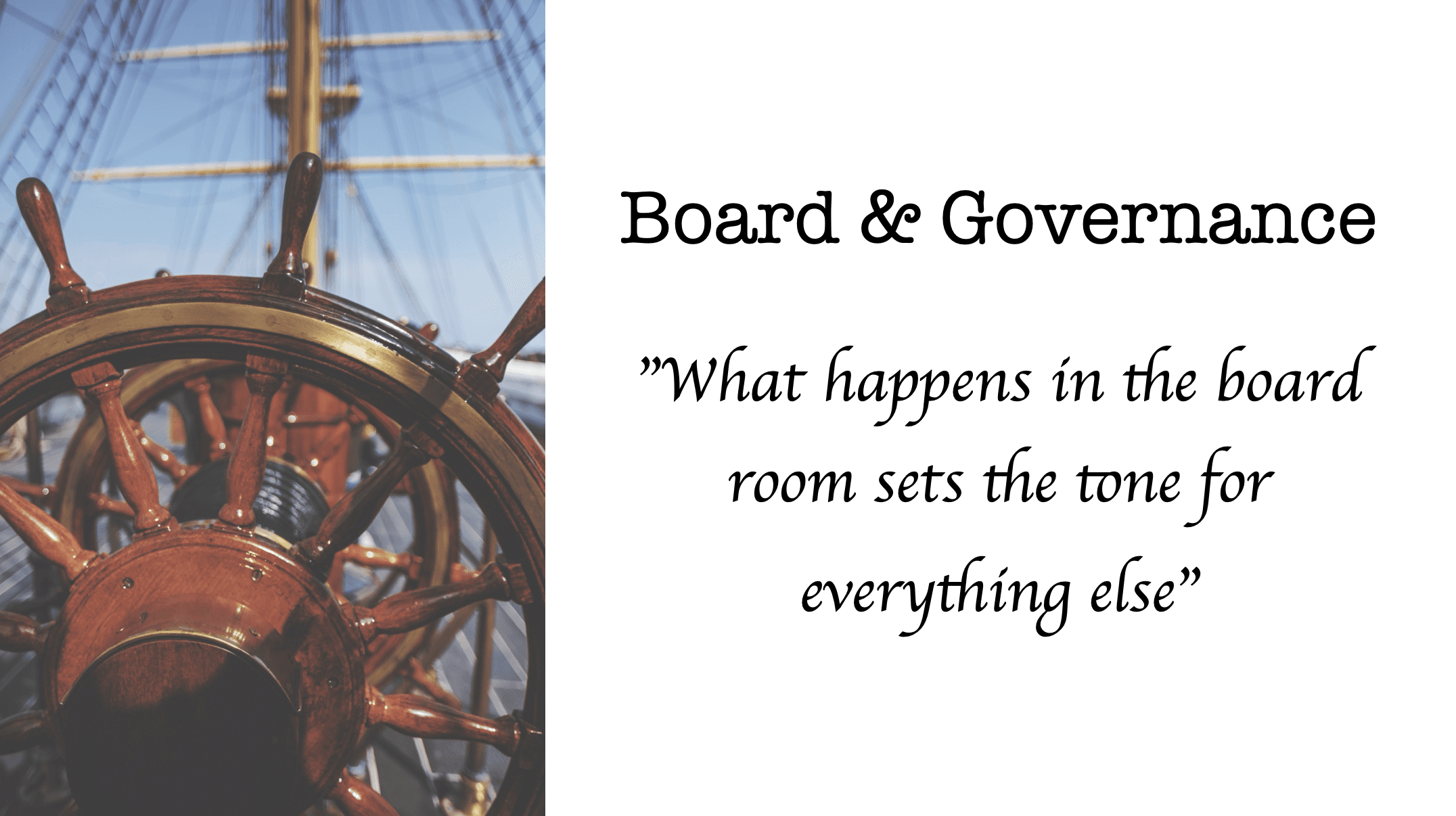
Board & Governance - Guardians of Purpose and Responsibility

People & Values - The Inner Life of an Organization
Strategy Needs More Than Smartness
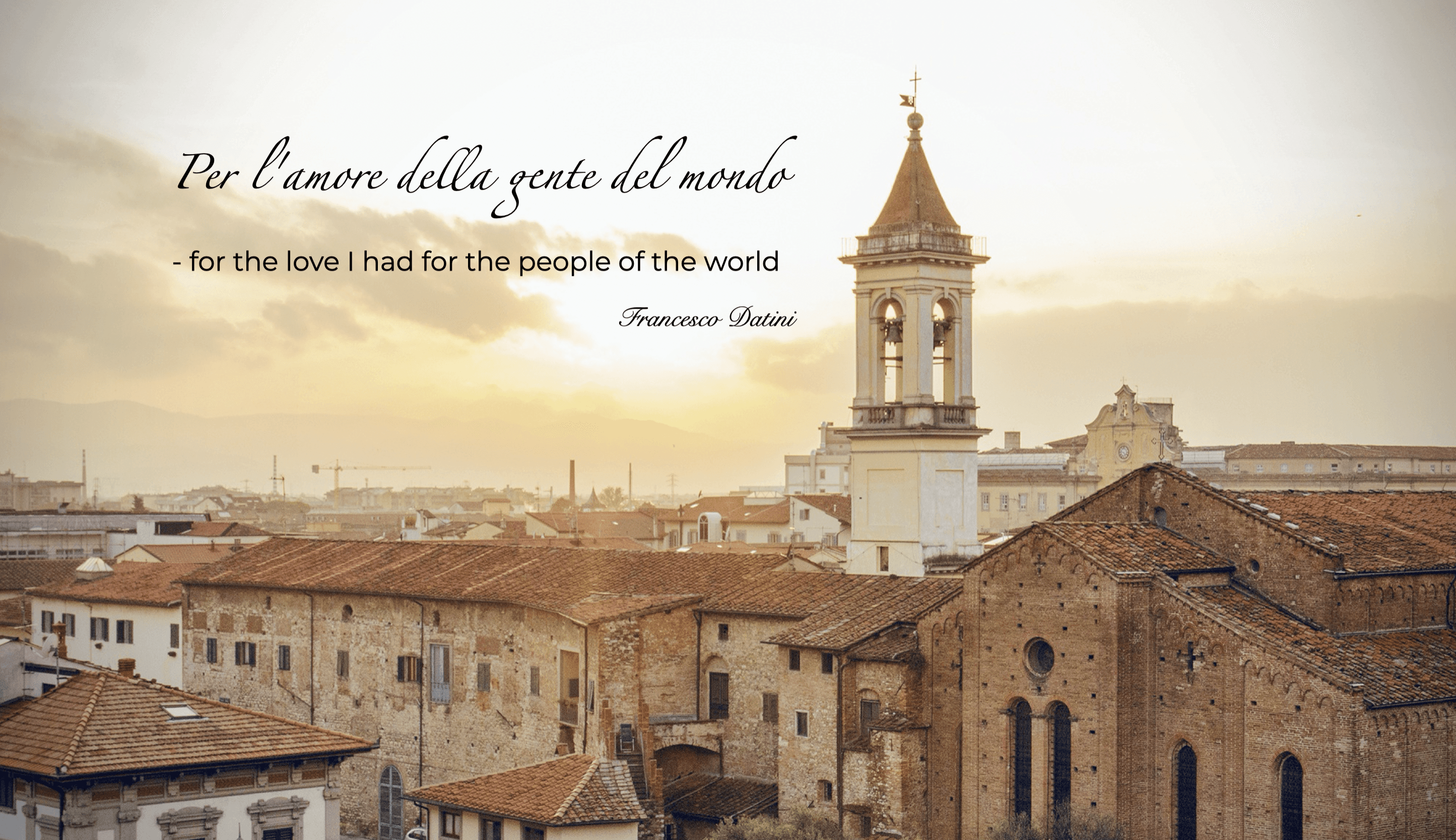
The Mission & Vision Dimension of the GreenGardens® Model
Restoring Dignity to Organizational Life
Why Organizational Problems Are Usually Systemic - And Why Most Measurement Tools Miss the Point
